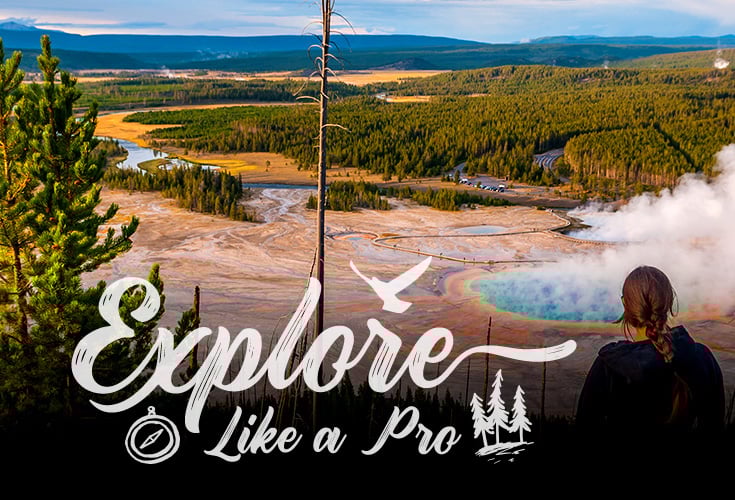
Plan Your Best Yellowstone Trip: Top 10 Visitor Secrets
Yellowstone National Park is a place of unparalleled natural wonder, a vibrant tapestry of geysers, hot springs, canyons, and an abundance of wildlife. It's an iconic destination that draws millions of visitors each year, all eager to witness its raw, untamed beauty. However, with such popularity comes the need for careful planning to ensure your trip is not just memorable, but truly extraordinary. Forget the common pitfalls and prepare to unlock the park's magic with these 10 tips for visiting Yellowstone National Park, transforming your visit from a standard tour into an unforgettable adventure. Whether you're a first-timer or returning for another dose of thermal marvels, these visitor secrets will help you navigate the park like a seasoned explorer.
Planning a trip to such a vast and dynamic environment can feel overwhelming, but with the right insights, you can maximize your time and create lasting memories. For even more detailed guidance, be sure to check out our comprehensive Yellowstone Adventure: 10 Essential Tips for Visitors.
Timing Your Yellowstone Adventure: When to Go & Where to Stay
The success of your Yellowstone journey often hinges on when you choose to visit and where you lay your head at night. Strategic timing can mean the difference between battling crowds and enjoying serene landscapes, while smart accommodation choices can enhance your convenience and comfort.
The Best Time to Visit
- Tip 1: Embrace the Shoulder Seasons (Late Spring/Early Fall). While summer is undeniably popular, it also brings the biggest crowds, highest prices, and most traffic. For a more tranquil experience, consider visiting in late April/May or September/October. In spring, you'll witness newborn wildlife and roaring waterfalls fed by melting snow, though some roads and facilities might still be opening. Fall offers crisp air, golden aspen leaves, and fewer people, creating ideal conditions for wildlife viewing before winter sets in. During these shoulder seasons, the park breathes a little easier, allowing for more intimate encounters with its wonders.
Navigating Park Accommodations and Getting Around
- Tip 2: Book Accommodations & Activities Far in Advance. This is perhaps the most critical tip for visiting Yellowstone National Park. Whether you plan to stay inside the park or in gateway towns like West Yellowstone, Gardiner, or Cody, lodging books up incredibly fast – often a year or more out, especially for peak summer months. In-park lodging offers unparalleled access to attractions, saving precious driving time. If you opt for gateway towns, factor in daily driving times to park entrances and attractions, which can be significant. Don't forget popular activities like guided tours, rafting trips, or even dining reservations for specific restaurants; these also fill up quickly.
- Tip 3: Understand Entrances and the Grand Loop Road. Yellowstone boasts five main entrances, each offering a unique gateway to the park. The North Entrance (Gardiner, MT) is the only one open year-round for vehicle traffic to Mammoth Hot Springs. West Yellowstone is popular for its proximity to geyser basins. South leads to Grand Teton. East and Northeast offer stunning mountain drives. The park's main artery is the Grand Loop Road, a figure-eight shaped route connecting most major attractions. Familiarize yourself with this layout and plan your route to minimize backtracking, especially when considering the sheer size of the park.
- Tip 4: Drive Smart, Not Fast. Yellowstone is a wild place, and wildlife often takes precedence on the roads. Speed limits are strictly enforced (typically 45 mph or less), and "bear jams" or "bison jams" are common. These unexpected stops, while potentially frustrating, offer incredible opportunities to view animals up close (from a safe distance, of course!). Always be prepared to stop suddenly, drive defensively, and never honk at or harass wildlife. Remember, you're a guest in their home.
Mastering the Park: Essential Planning & Safety
Beyond logistics, ensuring your daily itinerary is well-thought-out and prioritizing safety are paramount to a rewarding Yellowstone experience. This section delves into practical advice for navigating the park's vastness and respecting its inherent dangers.
Planning Your Daily Itinerary
- Tip 5: Prioritize Your Must-Sees and Embrace Flexibility. With over 2.2 million acres, you simply can't see everything in one trip. Research the park's iconic features like Old Faithful, Grand Prismatic Spring, Mammoth Hot Springs, and the Grand Canyon of the Yellowstone, and create a list of your top priorities. Group attractions geographically to save time. However, also build in flexibility. Road closures, wildlife sightings, or unexpected weather can alter plans. Having a secondary plan or simply enjoying the moment can prevent frustration. Don't feel pressured to rush; sometimes, the most memorable moments are spontaneous.
- Tip 6: Be Prepared for All Weather Conditions. Yellowstone's weather is famously unpredictable. A sunny morning can quickly turn into a snowy afternoon, even in summer. Pack layers of clothing, including waterproof and windproof outerwear, regardless of the season. Sturdy, comfortable hiking shoes are a must for exploring boardwalks and trails. Don't forget essentials like hats, sunglasses, sunscreen, and plenty of water bottles to stay hydrated. A small backpack for daily excursions is highly recommended.
Wildlife Encounters and Safety
- Tip 7: Respect Wildlife Space and Be Bear Aware. Yellowstone is home to an incredible array of wildlife, including grizzly bears, black bears, bison, elk, wolves, and moose. While spotting these animals is a highlight, safety is paramount. Always maintain a safe distance – at least 100 yards (91 meters) from bears and wolves, and 25 yards (23 meters) from all other animals. Never feed wildlife. Carry bear spray, know how to use it, and keep it readily accessible when hiking in the backcountry. Make noise on trails to avoid surprising animals. Observing wildlife responsibly ensures their safety and yours.
- Tip 8: Stay on Boardwalks and Marked Trails. The park's geothermal features are incredibly beautiful but also extremely dangerous. The ground can be thin, unstable, and conceal scalding hot water, steam, or acidic mud just below the surface. Do not deviate from marked boardwalks and trails. Fines are steep, but the risk to personal safety is far greater. Keep children close and dogs (where permitted) on leashes. Admire these natural wonders from the designated viewing areas.
Enhancing Your Experience: Beyond the Obvious
To truly unlock the secrets of Yellowstone, sometimes you need to venture a little off the beaten path or tap into the invaluable resources available within the park. These tips aim to enrich your understanding and appreciation of this extraordinary landscape.
Hidden Gems and Local Insights
- Tip 9: Explore Beyond the Main Attractions. While Old Faithful and Grand Prismatic Spring are iconic for good reason, Yellowstone offers countless lesser-known wonders. Consider taking a scenic drive like the Blacktail Deer Creek Road or exploring some of the less crowded hiking trails. The West Thumb Geyser Basin, for instance, offers stunning geothermal features right on the shore of Yellowstone Lake, often with fewer crowds than its larger counterparts. Ask park rangers for their favorite hidden spots; they often have the best insights into current conditions and less-traveled areas.
- Tip 10: Utilize Ranger Programs & Visitor Centers. The park's visitor centers are packed with valuable information: current road conditions, wildlife sighting updates, weather forecasts, and interactive exhibits. Most importantly, park rangers lead free interpretive programs, talks, and guided walks that provide incredible insights into Yellowstone's geology, wildlife, and history. These programs are not only educational but also a fantastic way to deepen your connection to the park and its wonders. Don't miss the chance to learn from these experts! For more comprehensive guidance, review our article: Visit Yellowstone Like a Pro: 10 Must-Know Travel Tips.
Embarking on a Yellowstone adventure is a truly transformative experience, but it requires thoughtful preparation. By following these 10 tips for visiting Yellowstone National Park, you'll be well-equipped to navigate its wonders safely and efficiently, creating memories that will last a lifetime. From timing your visit to respecting its wild inhabitants and tapping into ranger expertise, each secret offers a path to a more profound connection with this magnificent landscape. So pack your bags, prepare for the unpredictable, and get ready to be awestruck by the unparalleled beauty and power of Yellowstone.
