Yellowstone Adventure: 10 Essential Tips for Visitors
Yellowstone National Park, a land of fire and ice, geysers and grizzlies, is a true American treasure. Spanning across Wyoming, Montana, and Idaho, it's a vast wilderness offering unparalleled natural beauty and unique geological wonders. Planning a trip to this iconic destination can feel overwhelming due to its sheer size and popularity. To help you navigate its marvels and make the most of your journey, we've compiled these 10 essential tips for visiting Yellowstone National Park. Follow these guidelines, and you're set for an unforgettable adventure!
Planning Your Unforgettable Yellowstone Journey
A successful Yellowstone trip begins long before you set foot in the park. Strategic planning is key to enjoying its beauty without the stress. For more in-depth advice on preparation, you might find our article Visit Yellowstone Like a Pro: 10 Must-Know Travel Tips particularly helpful.
- Timing is Everything: Choose Your Season Wisely
Yellowstone offers distinct experiences throughout the year. Summer (June-August) is peak season, offering warm weather, full accessibility to all roads and services, and vibrant wildlife activity. However, it also brings large crowds and higher prices. Spring (April-May) and Fall (September-October), known as shoulder seasons, offer fewer crowds, moderate temperatures, and unique wildlife viewing opportunities as animals are more active. Some roads and services might be limited, but the serenity often outweighs the restrictions. Winter (November-March) transforms Yellowstone into a snow-covered wonderland, ideal for cross-country skiing, snowshoeing, and experiencing the park's quiet majesty, though access is highly restricted to oversnow travel.
- Book Accommodations Far in Advance
Whether you dream of staying in a historic lodge like Old Faithful Inn or roughing it under the stars, Yellowstone's accommodations book up notoriously fast, especially for summer visits. It's not uncommon for lodging and popular campsites to be fully booked a year in advance. If you prefer to stay outside the park, consider gateway towns like West Yellowstone, Gardiner, Cody, or Jackson Hole, but book those well in advance too. Pro tip: Keep checking the booking sites, as cancellations do occur!
- Craft a Realistic Itinerary: Yellowstone is HUGE!
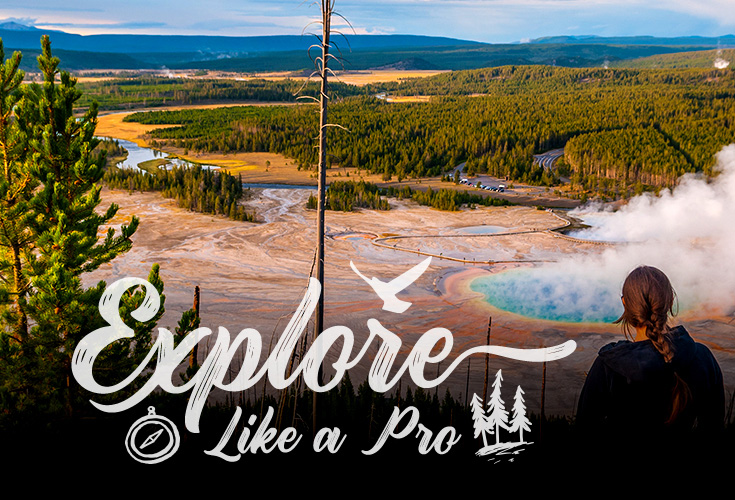
Yellowstone covers over 2.2 million acres, roughly the size of Delaware and Rhode Island combined. You cannot see it all in a few days. Focus on regions: the Upper Geyser Basin (Old Faithful, Grand Prismatic Spring), Mammoth Hot Springs, the Grand Canyon of the Yellowstone (Upper and Lower Falls), and Hayden Valley for wildlife. Allocate ample driving time between attractions; distances are considerable, and "bison jams" are common. A minimum of 3-5 full days is recommended to experience the highlights without feeling rushed. Our guide Plan Your Best Yellowstone Trip: Top 10 Visitor Secrets offers even more itinerary insights.
Navigating the Wilds: Safety and Wonders
Yellowstone is a wild place, and respecting its natural inhabitants and delicate features is paramount for both your safety and the preservation of the park.
- Respect Wildlife – Always Maintain Distance
Yellowstone is home to grizzlies, black bears, wolves, bison, elk, and more. It's exhilarating to see them, but remember they are wild animals. Always maintain a minimum distance of 100 yards (91 meters) from bears and wolves, and 25 yards (23 meters) from all other animals, including bison and elk. Never feed animals or approach them for a selfie. Carry bear spray and know how to use it, especially when hiking. Bison might look docile, but they are fast and powerful, responsible for more visitor injuries than any other animal.
- Stick to Boardwalks and Marked Trails
The park's stunning thermal features – geysers, hot springs, mudpots, and fumaroles – are incredibly fragile and extremely dangerous. The ground around them can be thin and unstable, with scalding hot water just beneath the surface. For your safety and to protect these irreplaceable wonders, always stay on designated boardwalks and marked trails. Venturing off-trail can lead to severe burns, falls, or damage to the delicate microbial mats that create the vibrant colors of the springs.
- Pack for All Seasons in One Day
Yellowstone's weather is famously unpredictable. A sunny morning can quickly turn into a chilly, rainy, or even snowy afternoon, even in summer. The best strategy is to dress in layers. Essential packing includes sturdy waterproof hiking shoes, rain gear (jacket and pants), warm layers (fleece or down), a hat, gloves, sunscreen, sunglasses, and plenty of water. Staying hydrated is crucial at higher altitudes.
- Understand Entrances and Traffic Flow
Yellowstone has five entrances, each offering access to different parts of the park. The West Entrance (West Yellowstone, MT) is generally the busiest and closest to the geyser basins. The North Entrance (Gardiner, MT) is the only one open year-round for vehicle traffic. The Northeast (Cooke City, MT) provides access to the Lamar Valley, renowned for wildlife. Factor in significant driving times and potential traffic delays, especially during peak season. Get an early start to beat the crowds at popular attractions.
- Prepare for Limited Cell Service & Go Offline
While some areas, particularly around visitor centers and lodges, might offer Wi-Fi or limited cell service, much of Yellowstone is a cellular dead zone. Embrace the opportunity to unplug! Before your trip, download offline maps (Google Maps, AllTrails, or the official NPS app), print out confirmations, and carry a paper park map. This ensures you can navigate and access information even without a signal.
Maximizing Your Yellowstone Experience
Beyond the major sights, truly experiencing Yellowstone means connecting with nature and leaving a positive impact.
- Practice Leave No Trace Principles
To preserve Yellowstone for future generations, it's vital to follow Leave No Trace principles. This includes:
- Plan Ahead and Prepare: Know park regulations.
- Travel and Camp on Durable Surfaces: Stay on trails and established campsites.
- Dispose of Waste Properly: Pack it in, pack it out – this includes all trash, food scraps, and even human waste in backcountry areas.
- Leave What You Find: Do not collect rocks, antlers, plants, or artifacts.
- Minimize Campfire Impacts: Use established fire rings, if permitted.
- Respect Wildlife: Observe from a distance, never feed animals.
- Be Considerate of Other Visitors: Keep noise levels down, share trails.
- Embrace Flexibility and Patience
Yellowstone is an outdoor adventure, and nature doesn't always adhere to schedules. Wildlife sightings can cause traffic jams (known as "bison jams"), geysers erupt on their own time, and weather can shift unexpectedly. Instead of getting frustrated, embrace these moments. A sudden halt for a bear sighting, a quiet wait for Old Faithful to blow, or a spontaneous detour can often lead to the most memorable experiences. Patience and a flexible mindset are your best companions for visiting Yellowstone National Park.
Conclusion
Yellowstone National Park is a place of unparalleled beauty and untamed wilderness, offering a journey unlike any other. By keeping these 10 tips for visiting Yellowstone National Park in mind, you'll be well-prepared to navigate its wonders safely, respectfully, and joyfully. From meticulously planning your trip and booking accommodations early to respecting the park's magnificent wildlife and fragile thermal features, every step contributes to a richer experience. Remember to pack smart, stay on marked trails, and most importantly, allow yourself to be flexible and patient, letting the magic of Yellowstone unfold before you. Your adventure awaits!
